TL;DR:
- A well-designed reception signals professionalism and values staff and visitors alike.
- Planning should focus on function, traffic flow, accessibility, and brand identity before choosing furniture.
- Durable, practical furniture and thoughtful layout enhancements create welcoming, long-lasting reception areas.
A cluttered, dated reception area does more damage than most businesses realise. It signals disorganisation before a single word is spoken, and it makes staff feel undervalued every time they walk through the door. Whether you’re planning a full office refurbishment or simply refreshing an existing space, getting your reception right requires more than picking a stylish desk and hoping for the best. This guide walks you through every stage of the process, from setting clear objectives and choosing the right furniture, to perfecting the layout and adding the finishing touches that make visitors feel genuinely welcome.
| Point | Details |
|---|---|
| Plan with intent | Start with clear goals and input from all stakeholders so your reception supports both image and function. |
| Choose durable furniture | Select robust, commercial-grade pieces that withstand daily use without compromising on style. |
| Optimise your layout | Set your space for comfort, smooth movement, and accessibility for all visitors. |
| Focus on the details | Layer lighting, signage, and simple accessories to reinforce professionalism and ease. |
Once you recognise the need for a standout reception, your first step is careful planning. Rushing straight to furniture catalogues is a common mistake. Before you spend a penny, you need to understand what your reception must actually do.
Reception design should start with understanding functional requirements and brand image. This means asking some pointed questions: Is your reception primarily a greeting point, a security checkpoint, a waiting area, or all three? The answer shapes every decision that follows.
Start by listing your non-negotiables. Here are the core requirements most office receptions must address:
Traffic flow is another area that catches many teams off guard. Think about how staff and visitors move through the space simultaneously. A clear path from the entrance to the reception desk, with separate waiting zones that don’t obstruct movement, prevents bottlenecks during busy periods.
Pro Tip: Involve your receptionist in the planning process from the start. They spend more time in that space than anyone else, and their practical insights about daily frustrations will save you from costly oversights.
Collecting stakeholder input is worth the effort. Management often focuses on aesthetics, while reception staff prioritise function, and facilities teams think about maintenance. A brief survey or a short meeting with all three groups surfaces requirements you might otherwise miss.
The table below summarises the key planning areas and what to consider in each:
| Planning area | Key considerations |
|---|---|
| Function | Greeting, security, waiting, multi-use |
| Brand identity | Colour palette, materials, logo placement |
| Traffic flow | Entry paths, waiting zones, staff access |
| Technology | Power points, digital systems, screens |
| Accessibility | Step-free access, varied seating heights |
| Maintenance | Easy-clean surfaces, durable furniture choices |
Once this groundwork is complete, you’ll have a clear brief that makes the next stages far more straightforward. You might also find inspiration in modern office decor trends to help visualise how your brand identity could translate into physical space.
With your requirements mapped, you’re ready to explore the most suitable furniture options. This is where many procurement teams focus almost entirely on appearance, and it’s a trap worth avoiding.
Choosing durable furniture is crucial for high-traffic reception areas. A reception desk that looks stunning on day one but shows scratches and wear within six months reflects poorly on your brand and costs more in the long run.
Here’s a numbered checklist for evaluating reception furniture before you commit:
The comparison table below shows how common reception desk materials compare across key criteria:
| Material | Durability | Maintenance | Visual impact | Cost |
|---|---|---|---|---|
| Laminate | High | Low | Moderate | Low to mid |
| Wood veneer | Moderate | Medium | High | Mid to high |
| Steel frame | Very high | Low | Contemporary | Mid |
| Glass panels | Moderate | High | Premium | High |
Beyond the desk itself, consider visitor seating carefully. Hard, uncomfortable chairs signal that you don’t value your guests’ time. Look for upholstered pieces with commercial-grade fabric ratings, ideally above 100,000 rub cycles for heavy use. You can browse reception desks and seating options suited to corporate environments to compare styles and specifications side by side.
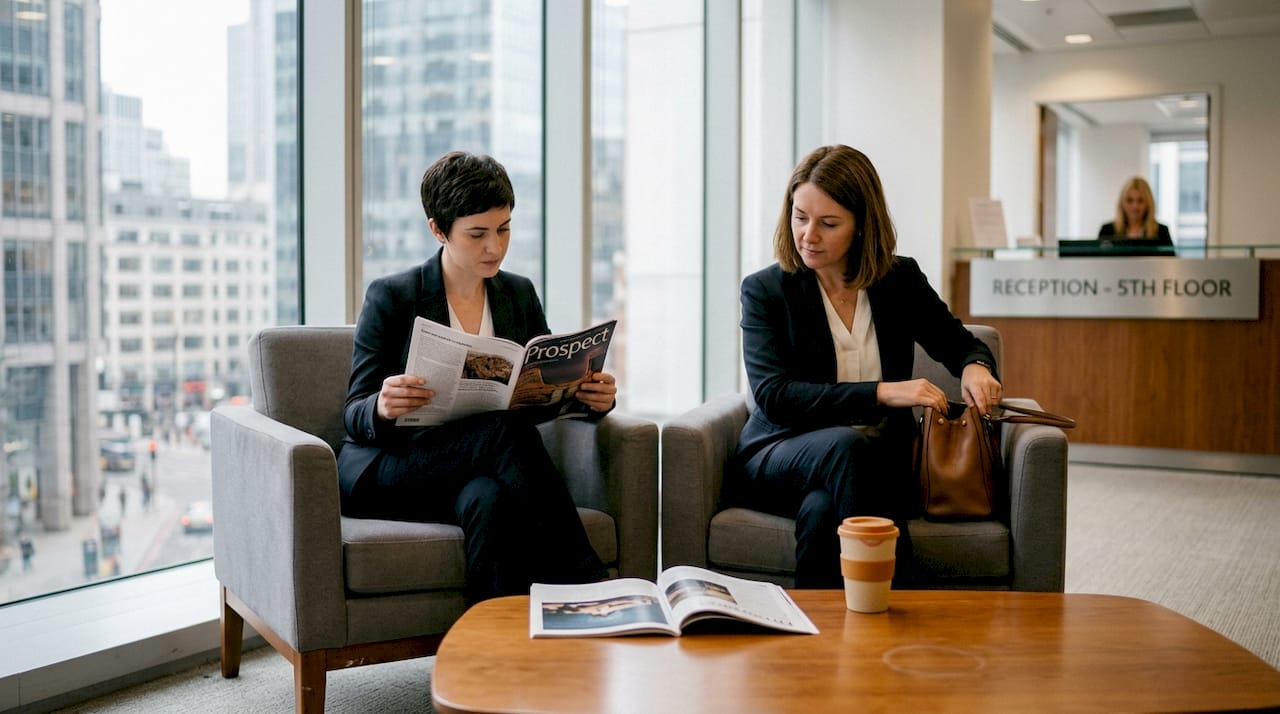
Pro Tip: If your reception faces direct sunlight, check whether your chosen fabrics and finishes are UV resistant. Fading within a year is a common and entirely avoidable problem. Window shading options can also help protect your investment.
Having chosen your pieces, the next challenge is spatial planning and arrangement. Even the best furniture fails if it’s placed without thought.
Layout planning impacts traffic flow and accessibility for all users. The reception desk should be the first thing a visitor sees when they enter. It needs a clear sightline from the entrance, with nothing obstructing the path between the door and the desk.
Here are the core layout principles to follow:
“The best reception layouts feel effortless to navigate. Visitors know exactly where to go, staff can work without interruption, and the space adapts to both quiet mornings and busy peak periods without feeling chaotic.”
For larger offices with multiple entry points or complex visitor management needs, a productivity-driven reception layout approach can help you think through zoning and workflow more systematically. Think about how your receptionist moves throughout their shift too. Reducing unnecessary movement between storage, the desk, and visitor interaction points improves efficiency and reduces fatigue.
With the layout set, it’s time to add those details that make your brand stand out. These elements are often treated as afterthoughts, but they carry enormous weight in shaping how visitors feel about your organisation.
Lighting deserves particular attention. A single overhead strip light is functional but cold. Layering three types of lighting creates a far more welcoming environment:
Appropriate lighting and branding enhance both aesthetics and function. Warm white tones (around 3,000K) feel more welcoming in reception areas than the cool white lighting typically used in open-plan offices.
Signage can increase brand recall by up to 65%. This makes it one of the highest-return investments you can make in a reception fit-out. Position your logo at eye level behind the reception desk, use consistent fonts and colours throughout, and include clear wayfinding signs so visitors can find toilets, lifts, and meeting rooms without having to ask.
Accessories complete the picture. Consider:
For a workflow-focused design approach, ensure every accessory earns its place. Avoid decorative clutter that looks good in a showroom but creates cleaning headaches in daily use. Choose surfaces that wipe clean easily, and opt for accessories that serve a clear purpose.
Beyond the finishing touches, it’s worth considering what most guides and design trends often miss. The biggest mistake we see is prioritising visual impact over long-term practicality. A reception that photographs beautifully but frustrates staff every single day is a failed investment, regardless of how much it cost.
Trend-driven features, such as statement furniture in unusual materials or overly complex lighting installations, often look dated within three years and prove difficult to maintain or replace. The receptions that genuinely impress over time are those built around comfort over appearance, with robust materials, sensible layouts, and considered storage.
Involving reception staff in the selection process isn’t just good practice. It’s the single most reliable way to avoid expensive mistakes. They know which storage solutions fail, which chair heights cause discomfort, and which layouts create daily friction. Treat their input as expert evidence, not a box-ticking exercise.
Finally, build in a review point three to six months after the fit-out is complete. Observe how the space is actually used, ask staff and visitors for honest feedback, and be willing to adjust. The best reception areas evolve rather than remain frozen in the moment they were installed.
Ready to upgrade your reception area with trusted, durable pieces? At Furniture for Business, we supply commercial-grade reception furniture to businesses across the UK, with free delivery to the mainland. Our range is selected specifically for corporate environments where both appearance and longevity matter.
Browse our design soft seating collection for visitor chairs and lounge-style seating that balances comfort with professional aesthetics. Pair these with practical office storage solutions to keep your reception desk organised and clutter-free. Whether you’re fitting out a single reception or managing a multi-site refurbishment, our team can support bulk orders with competitive pricing and realistic lead times.
A good reception desk for busy offices should feature durable materials, easy-clean surfaces, and ample storage to handle daily wear and high visitor volumes.
Design for step-free access, wide walkways of at least 1,200mm, and seating at varied heights to ensure everyone can use the space easily, in line with DDA compliance requirements.
Lighting, greenery, and clear signage typically improve both visitor comfort and professional image, with appropriate lighting and branding delivering some of the strongest returns on investment.

Phone: 0330 043 4114
VAT no. GB 991 8681 60
Company no. 07250570