Choosing the right office furniture in 2026 means balancing durability, design, safety compliance, and flexibility for hybrid working environments. Office managers face mounting pressure to source pieces that meet stringent UK standards, support employee well-being, and adapt to fluid workspace demands. This guide walks you through essential selection criteria, popular furniture types, comparative insights, and practical decision-making steps to help you invest confidently in furniture that serves your team for years to come.
| Point | Details |
|——-|———||
| Hybrid work demands flexible furniture | Adaptable pieces accommodate fluctuating occupancy and diverse work modes across corporate UK offices. |
| Safety and durability governed by standards | Compliance with BS EN 16139:2013 and BIFMA testing ensures furniture meets load-bearing and stability requirements. |
| Ergonomics improves productivity and health | Proper lumbar support and adjustable features reduce musculoskeletal disorders and boost output by up to 15%. |
| Materials impact longevity and sustainability | FSC-certified wood and recycled components extend lifespan beyond 10 years and support environmental goals. |
| Comparison helps informed purchasing | Evaluating chairs, desks, and storage on durability, ergonomics, and compliance streamlines selection. |
Hybrid working continues to dominate across UK businesses, reshaping how organisations approach furniture procurement. You need pieces that support hot-desking, flexible zones, and varied team sizes without compromising on quality or safety.
Prioritise furniture certified to UK and European safety standards. BS EN 16139:2013 outlines stability and load requirements for office seating, ensuring chairs withstand daily use. BIFMA standards validate durability through rigorous load-bearing tests, giving you confidence in long-term performance.
Durability hinges on materials and construction. Steel frames, high-density foam, and commercial-grade fabrics resist wear far better than residential alternatives. Look for warranties of five years or more as a reliable indicator of manufacturer confidence.
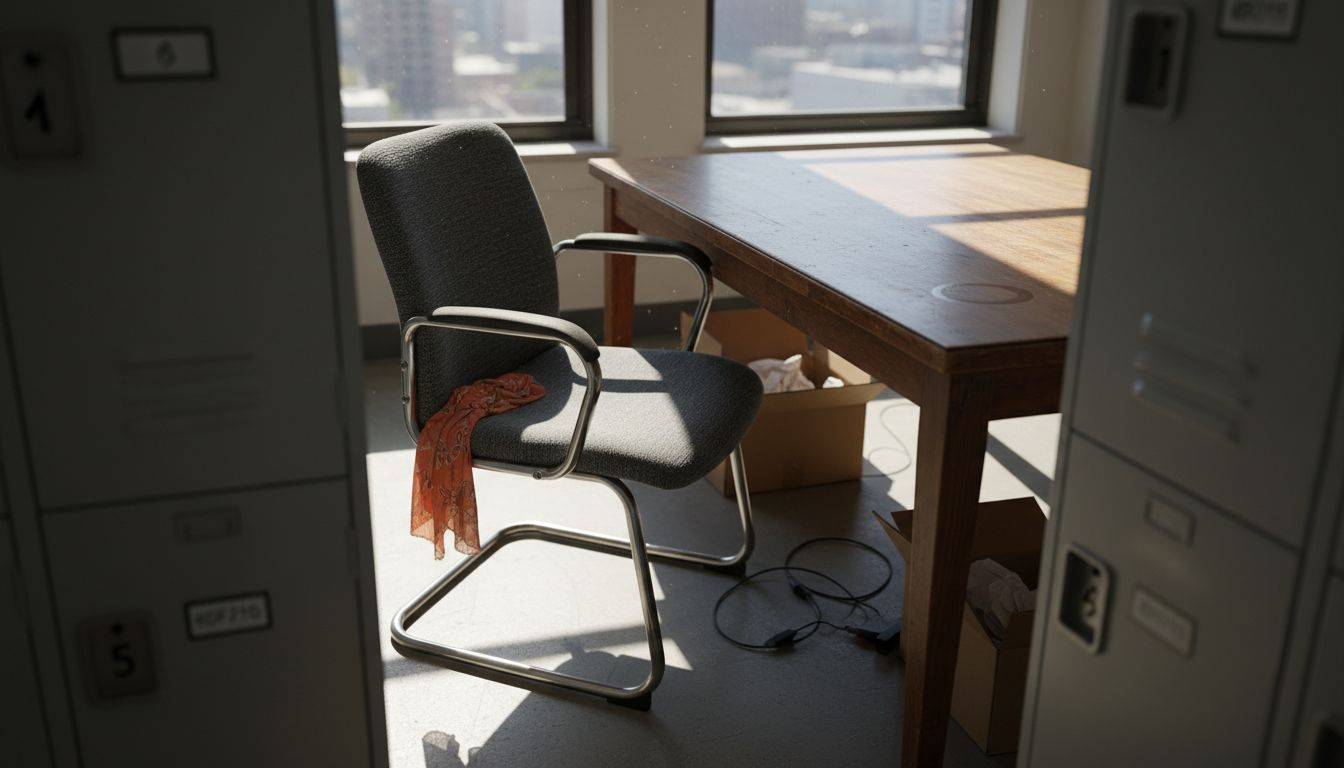
Ergonomic design directly impacts employee health and productivity. Features like adjustable seat height, lumbar support, and armrest positioning reduce strain and prevent discomfort during extended use. Our guide to durable office furniture explores how these elements work together to support workplace comfort.
Sustainability has become a purchasing priority for many UK organisations. Seek FSC-certified wood, recycled materials, and transparent supply chains. Our sustainable office furniture guide details certifications and environmental credentials to consider.
Pro Tip: Request load-bearing test results and material specifications from suppliers before finalising bulk orders. Third-party certifications provide independent validation of durability claims.
Flexibility matters in hybrid environments. Modular systems, stackable chairs, and mobile pedestals adapt to changing layouts without requiring complete refits. This adaptability protects your investment as team structures evolve.
Executive and task chairs form the foundation of any office. Quality seating must support varied body types and withstand years of daily use. Look for models with weight capacities of 120kg or higher, multi-adjustable mechanisms, and breathable fabrics.
Sit-stand desks have become essential in modern UK workspaces. Research shows these desks reduce sitting time by 84 to 116 minutes daily, promoting movement and reducing sedentary health risks. Electric height adjustment offers smoother transitions than manual cranks, encouraging more frequent position changes.
Modular storage systems provide the flexibility hybrid offices demand. Mobile pedestals, stackable shelving, and reconfigurable units adapt to changing team sizes and storage needs. They reduce clutter while maintaining easy access to essential items.
Ergonomic design reduces musculoskeletal disorders by up to 30% and increases productivity by 15%, according to UK Ergonomics Society findings. These improvements translate to fewer sick days, higher morale, and better work quality across your organisation.
Key features to prioritise include synchronised tilt mechanisms on chairs, which maintain proper posture throughout reclining movements. Desks should offer memory presets for height positions, allowing users to save preferred settings. Storage units benefit from soft-close mechanisms and lockable compartments for security.
Our office chairs collection showcases models meeting these criteria, with detailed specifications for load capacity, adjustment ranges, and certification status. For desks, explore our height adjustable desk setup guide for installation and positioning advice.
Pro Tip: Test furniture with actual employees before committing to large orders. User feedback reveals comfort issues and preference patterns that specifications alone cannot predict.
Durable materials matter as much as features. Steel or aluminium frames outlast plastic components, particularly in high-traffic areas. Mesh backrests offer superior breathability compared to foam-only designs, reducing heat build-up during long work sessions.
Consider our office storage solutions guide for practical advice on organising hybrid workspaces efficiently.
Comparing furniture options systematically helps you identify the best fit for your specific needs. The table below evaluates popular categories across key criteria.
| Furniture Type | Durability Rating | Ergonomic Features | Compliance | Flexibility | Typical Lifespan |
|---|---|---|---|---|---|
| Executive chairs | High (steel frame, commercial fabric) | Full adjustment, lumbar, headrest | BS EN 16139 | Fixed footprint | 10+ years |
| Task chairs | Medium to high (varies by model) | Seat/back height, armrests | BS EN 16139 | Stackable options available | 7 to 10 years |
| Sit-stand desks | High (steel/aluminium) | Infinite height range, memory | BIFMA tested | Reconfigurable layouts | 12+ years |
| Modular storage | High (steel or engineered wood) | Adjustable shelves | Fire safety rated | Fully reconfigurable | 10+ years |
| Conference tables | Very high (solid materials) | Cable management | Stability tested | Fixed or modular | 15+ years |
Executive chairs offer the highest ergonomic support, making them ideal for managers and staff spending extended hours at desks. Task chairs provide a balance of features and cost, suitable for hot-desking environments where multiple users share seating.
Sit-stand desks deliver the strongest health benefits and adaptability. Their higher initial cost offsets through extended lifespans and reduced absenteeism from back pain. Market research shows a 40% rise in adaptable furniture sales over the past two years, reflecting growing demand for flexible solutions.
Modular storage provides the best return on investment for organisations anticipating layout changes. Units can be reconfigured without purchasing new pieces, protecting your budget as teams expand or contract.
BS EN 16139:2013 safety standards include stability and load requirements that prevent tipping and structural failure. Furniture meeting these standards significantly reduces liability risks for UK employers.
Durability ensures furniture maintains function and appearance beyond 10 years, reducing replacement costs and environmental impact. Commercial-grade pieces withstand daily use far better than residential alternatives marketed for occasional home office use.
Our modern office furniture workflow guide explains how to match furniture types to specific workspace zones and activities. For deeper ergonomic insights, review our office chair ergonomics resource.
Start by prioritising ergonomic and safety compliance. These non-negotiable elements protect employee health and minimise corporate liability. Furniture lacking proper certifications may appear cost-effective initially but exposes you to replacement costs and potential injury claims.
Plan budgets considering lifespan and maintenance requirements. A higher-quality chair costing £400 that lasts 12 years delivers better value than a £200 model requiring replacement after five years. Factor in warranty coverage and after-sales support when comparing suppliers.
Leverage flexible solutions tailored to hybrid workforce patterns. Organisations with fluctuating office attendance benefit enormously from mobile pedestals, stackable chairs, and reconfigurable desks. These pieces adapt without requiring complete workspace overhauls.
Engage staff to gather user feedback during the selection process. Employees can identify comfort issues and feature preferences that specifications alone cannot reveal. Pilot programmes with small furniture batches allow real-world testing before committing to large orders.
Consider sustainability credentials and certifications. Musculoskeletal disorders cost billions in lost EU productivity and healthcare expenses annually. Investing in ergonomic furniture reduces these risks while supporting environmental responsibility through durable, recyclable materials.
Review warranties and after-sales support carefully. Reputable suppliers offer five-year warranties minimum and responsive customer service for repairs or replacements. Clarify delivery terms, assembly support, and return policies before finalising contracts.
Pro Tip: Create a scoring matrix weighing durability, ergonomics, compliance, flexibility, and cost to objectively compare shortlisted options. This structured approach prevents emotional purchasing decisions and ensures alignment with organisational priorities.
Our ergonomic furniture guide provides detailed checklists for evaluating furniture against UK workplace health standards and employee needs.
Ready to transform your UK workspace with furniture that delivers lasting value? Furniture for Business offers a curated selection of ergonomic chairs, sit-stand desks, and modular storage designed for hybrid and corporate environments.
Our office chairs collection features models certified to BS EN 16139:2013, ensuring safety and durability for daily use. Browse office desks ranging from fixed-height executive models to electric sit-stand solutions with memory presets. For collaborative spaces, explore meeting room furniture including conference tables and stackable seating.
Every product includes detailed specifications, certification information, and customer reviews to support confident decision-making. Free mainland UK delivery and expert support make procurement straightforward, whether you are outfitting a single office or multiple locations.
Flexible, modular furniture that adapts to changing occupancy and work modes suits hybrid offices best. Sit-stand desks, stackable chairs, and mobile storage allow quick layout adjustments. Ergonomic, durable pieces support varied usage patterns across different employees.
Look for furniture meeting BS EN 16139:2013 and UK-specific standards for office seating and workspace equipment. Check for third-party testing and certification labels on product documentation. Verify load capacities, stability requirements, and fire safety ratings before purchase.
Ergonomic design reduces MSDs by up to 30% and increases productivity by 15%, according to UK Ergonomics Society findings. Proper lumbar support, adjustable features, and breathable materials reduce discomfort during extended work sessions. These improvements lead to fewer sick days and higher employee satisfaction. Explore our ergonomic office chair benefits guide for detailed health impacts.
Select FSC-certified or recycled material furniture to minimise environmental impact. Prioritise durable products with 10-plus-year lifespans to reduce replacement frequency and waste. Look for transparent supply chains and manufacturers committed to carbon reduction. Our guide on choosing sustainable office furniture details certifications and environmental credentials worth considering.

Phone: 0330 043 4114
VAT no. GB 991 8681 60
Company no. 07250570