TL;DR:
- Furniture for shift working offices must be purpose-built with durability for 24/7 multi-user use. It includes reinforced chairs, modular systems, and environment support to sustain productivity during all hours. Proper planning ensures long-lasting, adaptable, and ergonomic workplaces for continuous shift patterns.
Furniture for shift working offices is defined as ergonomic, multi-user, and modular equipment built specifically to withstand continuous 24/7 usage and adapt to varied shift patterns. Standard office chairs and desks are engineered for a single user working roughly eight hours a day. Put them into a rotating shift environment and standard furniture fails within 12–18 months, triggering premature replacement costs that dwarf any initial saving. Getting the specification right from the start is the single most important decision a facility manager or procurement team can make for a shift pattern workplace.
The core difference is durability under continuous load. A standard commercial chair is rated for one user, one shift. A 24/7 rated chair is built for three shifts, multiple users, and no recovery time between them. Ergonomic specialists confirm that 24/7 chairs experience roughly three times the wear of standard office chairs. That wear rate demands a fundamentally different construction.
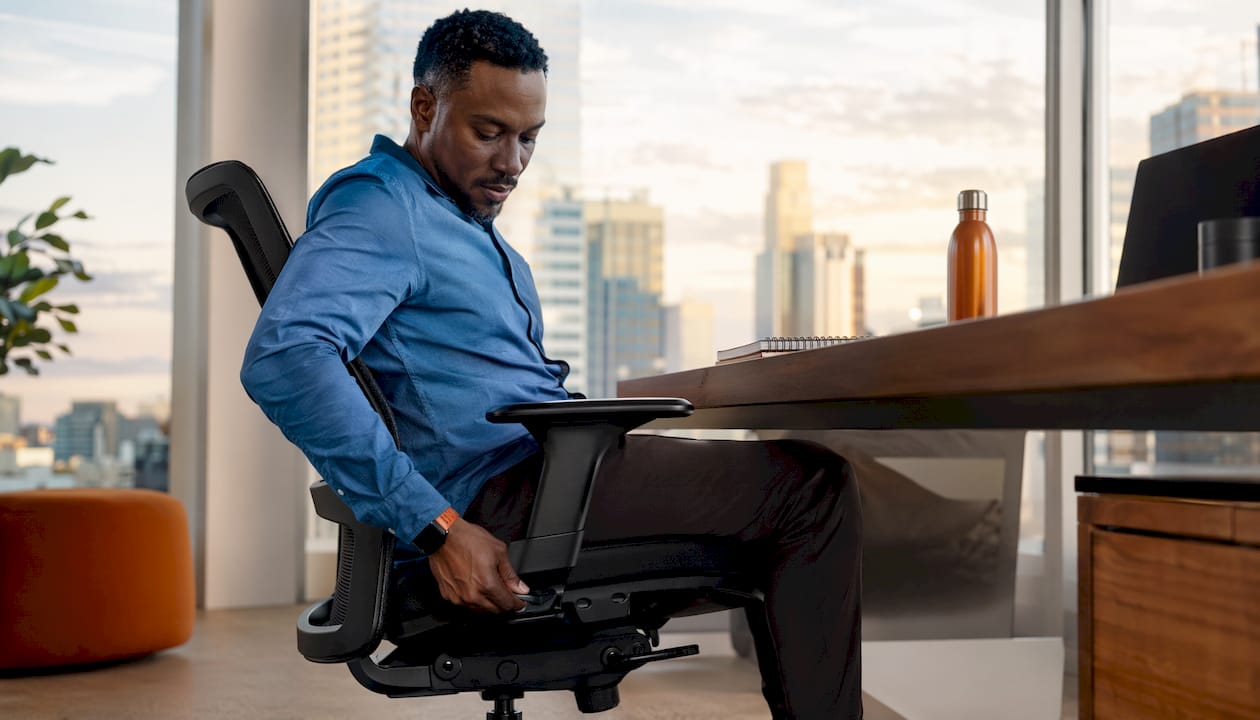
Purpose-built seating for continuous use shares several defining characteristics:
When selecting ergonomic office chairs for shift environments, check the product specification for an explicit 24/7 or intensive-use rating. If that language is absent, the chair is not built for the task.
Pro Tip: Ask suppliers for the chair’s tested weight capacity and cycle count. A chair rated for 150kg and 100,000 tilt cycles will outlast a standard model in a busy control room or call centre by years.
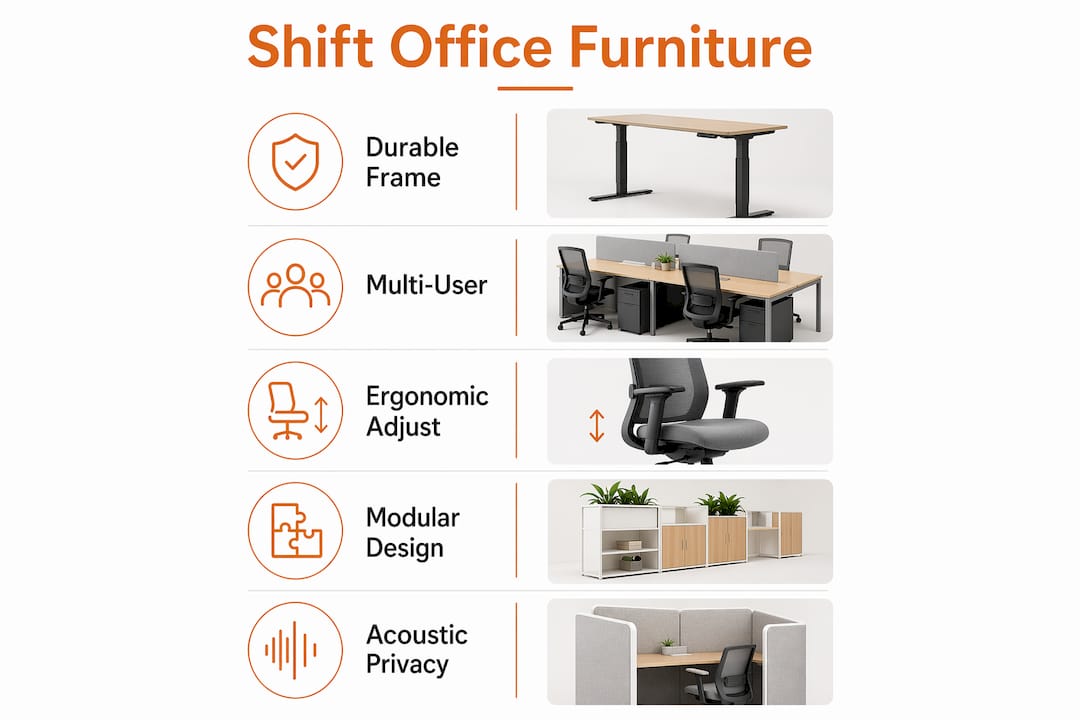
Modular furniture is not simply furniture that looks flexible. It is a system of standardised, interchangeable components designed to be reconfigured without reconstruction. Modular design enables adaptability without major rebuilding costs, which matters enormously when shift patterns change with operational demand.
The practical advantages for shift pattern workplaces are significant:
The distinction between modular furniture and a modular layout matters here. A modular layout is a spatial planning strategy. Modular furniture is the physical product that makes that strategy work. Both must be planned together for the approach to deliver genuine value.
Pro Tip: Before purchasing, map your shift patterns across a typical week and identify your peak and trough headcounts. That data tells you exactly how much reconfigurability you need and prevents over-specifying expensive systems you will rarely use.
The workstation is only part of the picture. Environmental ergonomics, including acoustic privacy and quality break room furniture, are as critical as the desk and chair in sustaining shift worker performance. A worker finishing a night shift at 6AM needs a different environment from a day shift worker arriving at 9AM. The furniture and spatial design must serve both.
Noise is a significant productivity drain in shared shift environments. Acoustic screen panels at 1.2–1.4 metres in height reduce ambient noise and provide visual separation without blocking supervisory sightlines. That height is a practical standard: tall enough to absorb sound and reduce visual distraction, low enough to maintain oversight. Freestanding acoustic screens also allow repositioning as team sizes change, which aligns with the modular approach described above. The impact of acoustic panels on concentration and error rates in high-density offices is well documented.
Break room furniture in shift environments takes more punishment than in standard offices. Lounge seating, tables, and lockers are used around the clock by workers who are often fatigued. The furniture specification for these areas should match the durability standard of the main workspace.
Key break room requirements for shift workplaces:
Footrests, monitor arms, and document holders complete the ergonomic picture. A monitor arm that allows height and tilt adjustment takes seconds to reset between users and removes the need for monitor risers that clutter the desk surface. These accessories are low-cost relative to chairs and desks, but their absence forces workers into compromised postures that accumulate into injury over time.
A structured selection process prevents the most common and costly mistakes in shift workplace fit-outs.
Common pitfalls to avoid:
Pro Tip: Request fabric and mechanism samples before committing to bulk orders. A chair that feels comfortable in a showroom for ten minutes may perform very differently after six hours of continuous use by multiple people.
Furniture for shift working offices requires purpose-built, 24/7-rated products with multi-user adjustability, modular reconfigurability, and acoustic and break room support to sustain productivity across all hours.
| Point | Details |
|---|---|
| 24/7 rating is non-negotiable | Standard chairs fail within 12–18 months in continuous use; always confirm the warranty covers multi-shift operation. |
| Multi-user adjustability protects workers | Seat depth, lumbar support, and armrest adjustment must reset quickly between users of different sizes. |
| Modular systems reduce long-term costs | Standardised components allow reconfiguration and repair without scrapping entire workstations. |
| Acoustic screens improve focus | Panels at 1.2–1.4 metres reduce noise and visual distraction without blocking supervisory sightlines. |
| Break rooms need commercial-grade furniture | Lounge seating, lockers, and tables in rest areas take continuous use and must match the durability of main workstations. |
The most persistent mistake I see in shift workplace fit-outs is treating the chair specification as a cost line rather than a structural decision. Procurement teams compare price per unit and choose the cheaper option, then spend more on replacements within two years than the premium product would have cost upfront. The maths is not complicated, but the pressure to show a low initial spend is real.
The second mistake is thinking that modularity means buying desks on wheels. True modular planning means selecting standardised components, mapping your power and data infrastructure before furniture arrives, and committing to a system you can extend rather than replace. The benefits of modular furniture only materialise when the system is treated as a long-term platform, not a one-off purchase.
The third thing I would tell any facility manager is to walk the floor at 3AM before writing a specification. The night shift experience is categorically different from the day shift. The lighting is different, the noise level is different, and the workers’ physical and psychological state is different. Furniture that works at 10AM may feel punishing at 3AM. Break room quality, locker access, and acoustic separation matter more at night than most daytime-focused procurement processes acknowledge.
Ergonomics and durability are not competing priorities. The best 24/7 chairs are also the most adjustable. The best modular desks also have the best cable management. Investing in quality at the specification stage is the only approach that holds up across a three-year operational cycle.
— Furniture
Shift environments demand furniture that performs across every hour of the day, not just the standard nine-to-five. Furnitureforbusiness supplies commercial-grade ergonomic office chairs and adaptable office desks specified for intensive use, alongside storage and accessories designed for multi-user workplaces.
Every product in the Furnitureforbusiness range is selected for durability, adjustability, and practical fit-out value. The team offers free UK mainland delivery and bulk order pricing, making it straightforward to specify and supply a full shift environment in one order. Contact Furnitureforbusiness directly for a tailored quote or to request a space planning consultation for your next fit-out.
24/7 rated furniture is built for continuous multi-user use across all hours, using reinforced frames, heavy-duty mechanisms, and high-density materials. Standard office furniture is not rated for this level of use and will fail prematurely in shift environments.
Standard commercial furniture typically fails within 12–18 months under continuous 24/7 shift conditions. Purpose-built 24/7 rated furniture significantly extends that lifespan and maintains warranty cover.
Acoustic panels at 1.2–1.4 metres provide effective noise reduction and visual separation while keeping supervisory sightlines open. This height is the practical standard for high-density shift working floors.
Modular systems allow desks and seating clusters to be reconfigured quickly as shift sizes change, without reconstruction costs. Standardised components also make repairs and expansions straightforward as the business evolves.
Yes. Break room furniture in shift environments is used continuously around the clock by fatigued workers. Commercial-grade lounge seating, lockers, and tables are necessary to withstand that level of use and support genuine recovery between shifts.

Phone: 0330 043 4114
VAT no. GB 991 8681 60
Company no. 07250570