TL;DR:
- Choosing durable upholstery reduces long-term costs by extending furniture lifespan and minimizing replacements. Proper specifications, including frame quality, fabric Martindale scores, and compliance, are essential for safety, operational efficiency, and maintaining professional appearance. Investing in high-quality, modular, and flame-retardant furniture ensures value, safety, and a positive impression over years of use.
When you’re fitting out an office or commercial space, upholstery rarely gets the scrutiny it deserves. Most buyers focus on price per unit, aesthetics, or delivery times. Yet understanding why choose durable upholstery is one of the most financially significant decisions you’ll make for your workspace. The wrong choice compounds costs through replacements, maintenance disruptions, and even safety failures. This guide cuts through the noise and gives you the practical framework to make smarter procurement decisions, from material science to total cost of ownership.
| Point | Details |
|---|---|
| Durability reduces lifetime cost | High-quality upholstery lasting 8 to 15 years costs significantly less per year than cheap alternatives replaced every 3 to 5 years. |
| Frame integrity matters as much as fabric | Tough fabric on a weak frame still fails prematurely; assess the whole furniture system, not just the covering. |
| Martindale scores guide procurement | Specify the correct abrasion threshold for your traffic level to avoid costly under-specification errors. |
| Compliance is non-negotiable | Flame-retardant, durable upholstery reduces fire risk and meets UK commercial safety standards. |
| Modularity extends asset life | Furniture with replaceable components avoids full replacement costs when wear is localised. |
Most buyers treat upholstery durability as a single variable, usually the fabric. In reality, it involves at least four interdependent factors: frame construction, suspension systems, foam or cushion density, and the fabric itself.
The frame is the skeleton of any upholstered piece. Hardwood frames with mortise-and-tenon or double-dowel joinery outlast softwood or particleboard frames significantly. In a busy office or reception area, a chair or sofa flexes hundreds of times daily. Over years, weak joinery fails, producing wobble, structural collapse, and safety hazards that no fabric upgrade can prevent.
For commercial buyers in the UK, the Martindale rub test is the standard reference point. It measures how many rub cycles a fabric withstands before showing measurable wear. General guidance for commercial office use suggests a minimum of 25,000 to 30,000 Martindale cycles, while high-traffic reception areas or hospitality venues typically require 40,000 to 100,000 cycles or more.
It’s worth knowing that Martindale and Wyzenbeek scores are not directly interchangeable. Martindale scores are roughly one-third higher, so always verify which test standard a supplier is quoting. Misreading this in a bulk order can mean specifying fabric that fails in half the expected time.
| Material | Martindale rating | Cleaning ease | Typical lifespan |
|---|---|---|---|
| Solution-dyed acrylic (e.g. Sunbrella) | 100,000+ cycles | Very easy | 10 to 15 years |
| High-grade contract vinyl | 75,000 to 100,000 cycles | Easy | 8 to 12 years |
| Performance polyester blend | 40,000 to 80,000 cycles | Moderate | 6 to 10 years |
| Bonded leather | 20,000 to 30,000 cycles | Difficult (peels) | 2 to 4 years |
| Standard cotton blend | 15,000 to 25,000 cycles | Difficult | 3 to 6 years |
Pro Tip: Solution-dyed acrylic fabrics offer 100,000+ Martindale cycles and 60% lower annual cleaning costs in commercial settings compared to traditional cotton. If your budget is tight, prioritise this material for high-traffic pieces and use more economical options on lower-use items.
The core economic argument for durable upholstery is straightforward once you run the numbers properly. Most buyers compare purchase price. The useful comparison is cost per year of serviceable life, or more precisely, cost-per-sit.
Here is how the economics actually play out:
Calculate total cost of ownership. Add purchase price, installation, periodic cleaning, and eventual disposal. For a budget chair at £80 replaced every three years, the five-year cost is roughly £133 plus two rounds of disruption. A £200 commercial-grade chair lasting eight years costs £125 over the same period, and causes far less operational friction.
Account for replacement disruption. Every time you replace furniture mid-lease, you face delivery logistics, potential downtime in shared spaces, and staff distraction. These indirect costs rarely appear in a purchase order but they are real.
Factor in maintenance costs. Performance fabrics with stain and UV resistance require substantially less cleaning time and product cost annually. Over a ten-year period, that difference is material.
Avoid the bonded leather trap. Bonded leather is frequently specified because it looks premium at a lower price point. The reality is that bonded leather commonly peels within 18 to 24 months under regular commercial use, with a 35 to 40% failure rate in hotel environments. Guest and client complaints follow quickly.
“Furniture durability experts recommend shifting focus from initial price to cost-per-sit to capture true furniture value over its full working life.” — The science of furniture ROI
Pro Tip: When reviewing quotes, ask for the full furniture system specification, not just the fabric grade. Ignoring frame durability leads to failure even when the fabric is excellent, driving up total cost substantially.
The advantages of long-lasting upholstery compound over time. A well-chosen commercial chair or sofa lasting 8 to 15 years delivers a dramatically lower cost-per-year than a budget piece requiring two or three full replacements across the same period.
The benefits of durable upholstery extend well beyond the financial. In commercial settings, poorly specified furniture creates real safety and compliance risks.

UK commercial premises are subject to the Furniture and Furnishings (Fire Safety) Regulations. Durable, contract-grade upholstery materials are typically engineered with flame-retardant properties built into the fabric construction, reducing fire hazard risk and supporting your obligations as an employer or premises manager. Budget-grade fabrics may not meet these requirements, creating legal and insurance exposure.
Peeling vinyls, broken seat shells, and collapsing frames are not just unsightly. They are hazards. A client sitting in a reception chair that gives way creates both a liability risk and a reputational one. Commercial-grade upholstery with correctly specified abrasion thresholds prevents these premature failures and the operational disruption that follows.

The condition of your furniture communicates something about your business. Scuffed, peeling, or sagging seating in a meeting room or reception area tells clients you either do not notice the detail or do not care. Neither reading helps. Durable upholstery holds its appearance across years of use, sustaining the professional ambience you invested in at fit-out.
Pro Tip: For client-facing areas, specify visitor seating with at least 40,000 Martindale cycles and a commercial-grade frame. It is the piece visitors interact with first and notice most.
Knowing why durable furniture matters is half the work. The other half is knowing how to specify it correctly for your environment.
Define your traffic class. Light office use (individual workstation seating) has very different requirements from a shared breakout space or a public-facing reception. Match your Martindale threshold to actual usage intensity.
Verify the full specification. Request frame material and joinery details, foam density (measured in kg per cubic metre), suspension type, and fabric test certificates. A supplier who cannot provide these specifics is a risk.
Prioritise modularity where possible. Modular furniture with replaceable components allows you to refresh seat pads or covers without replacing the full unit. This dramatically lowers maintenance cost in high-traffic environments and extends asset life.
Plan your cleaning regime upfront. Some performance fabrics are wipeable and bleach-safe. Others require dry cleaning or specialist products. Match your cleaning capability to your fabric choice before you order, not after the first stain appears.
When assessing suppliers, it pays to ask the right questions before committing to a bulk order. Here is a quick checklist:
For UK offices undergoing refurbishment, the office furniture buying guide from Furnitureforbusiness covers these specification questions in detail across key product categories.
I’ve seen businesses make the same procurement error repeatedly: they scrutinise fabric rub counts carefully and then approve a frame with a two-year warranty. The upholstery survives. The chair does not.
The fixation on Martindale scores, while useful, can become a distraction from the more fundamental question of whether the entire furniture system is built to last. Fabric is the surface. The frame, the suspension, and the foam are the substance. In my experience, a piece with a modest 40,000 cycle fabric on a genuinely commercial-grade frame will outlast a 100,000 cycle fabric on a budget frame by years.
The other mistake I see consistently is treating furniture procurement as a one-time event. The smarter approach is to think about it as asset management. Buy pieces with replaceable components. Keep spare covers for high-wear items. Budget for cleaning and minor repairs annually rather than waiting for catastrophic failure. Businesses that think this way replace furniture far less often and spend far less in total.
Finally, do not underestimate the reputational signal that worn furniture sends. I have walked into client offices and clocked the peeling reception chairs before I sat down. It matters.
— Furniture
If this guide has clarified what to look for, the next step is finding products that actually meet those standards.

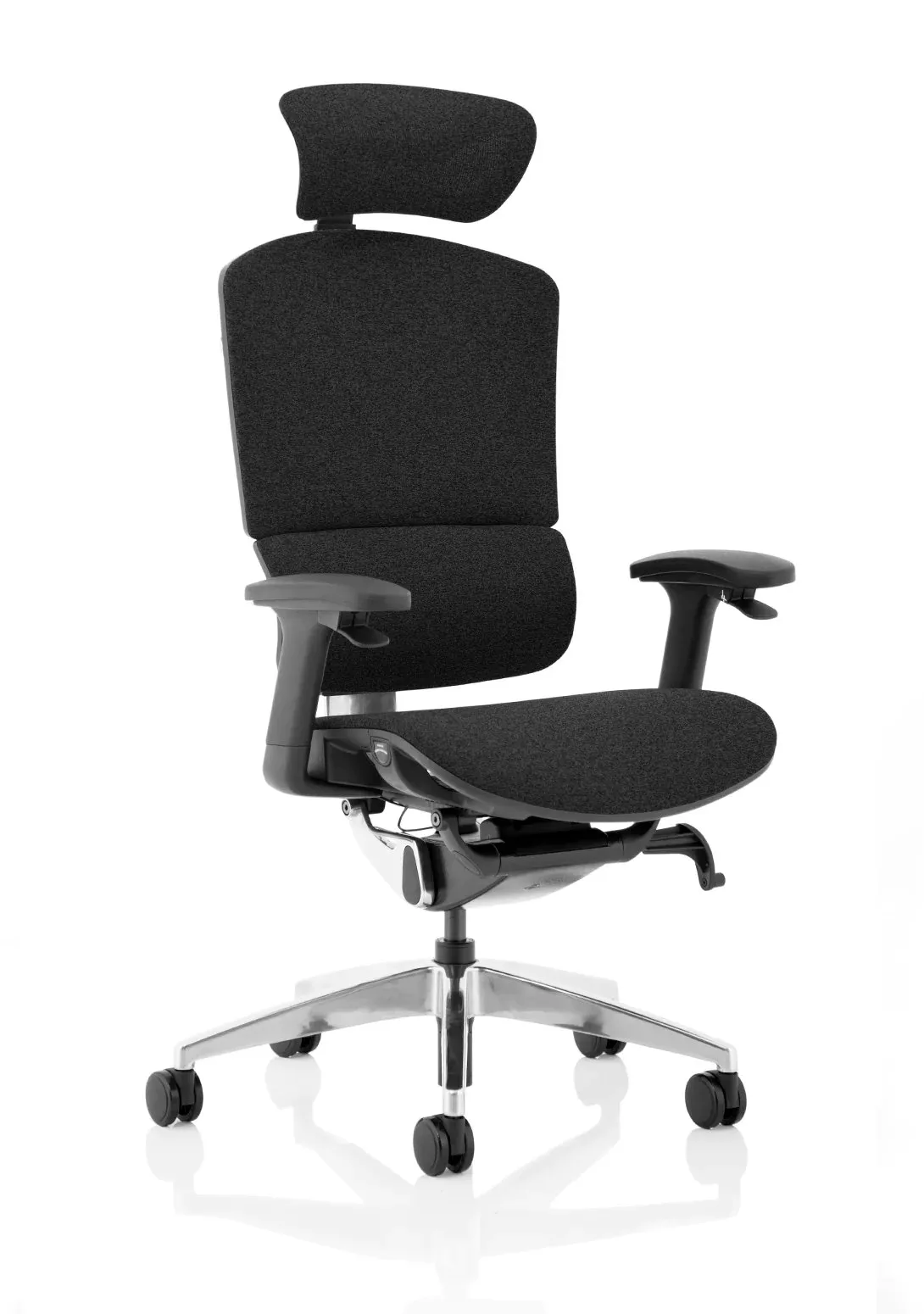
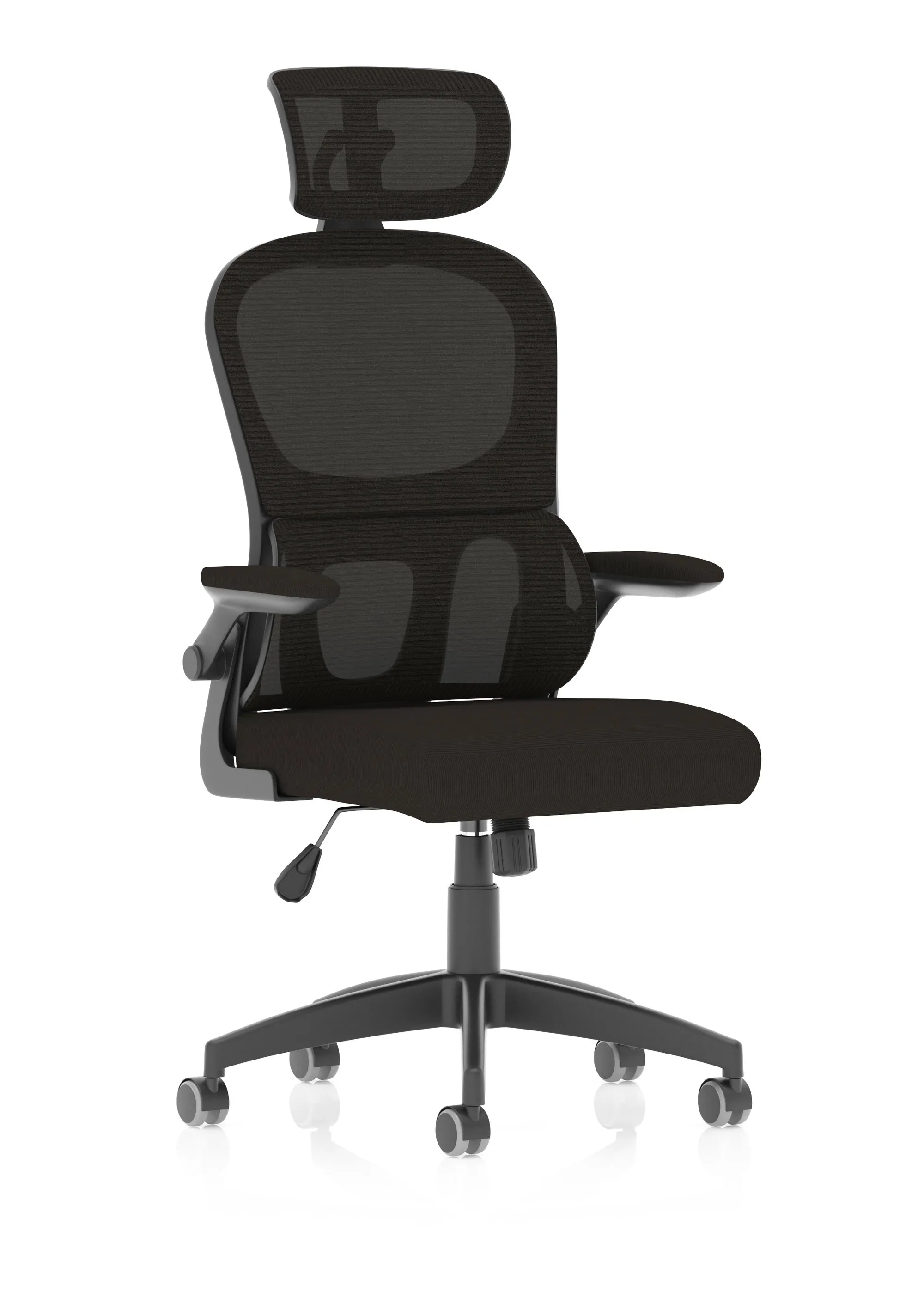
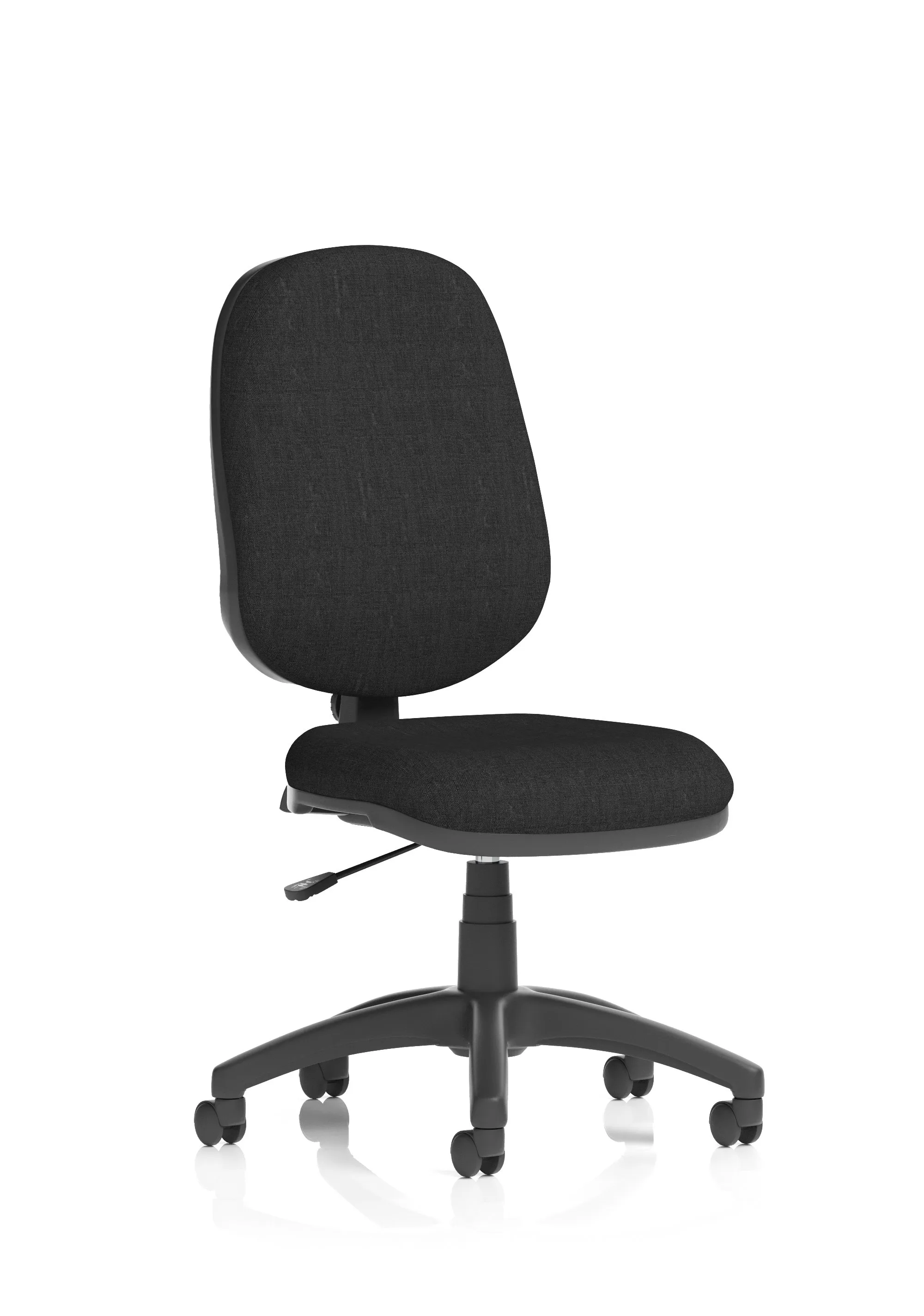
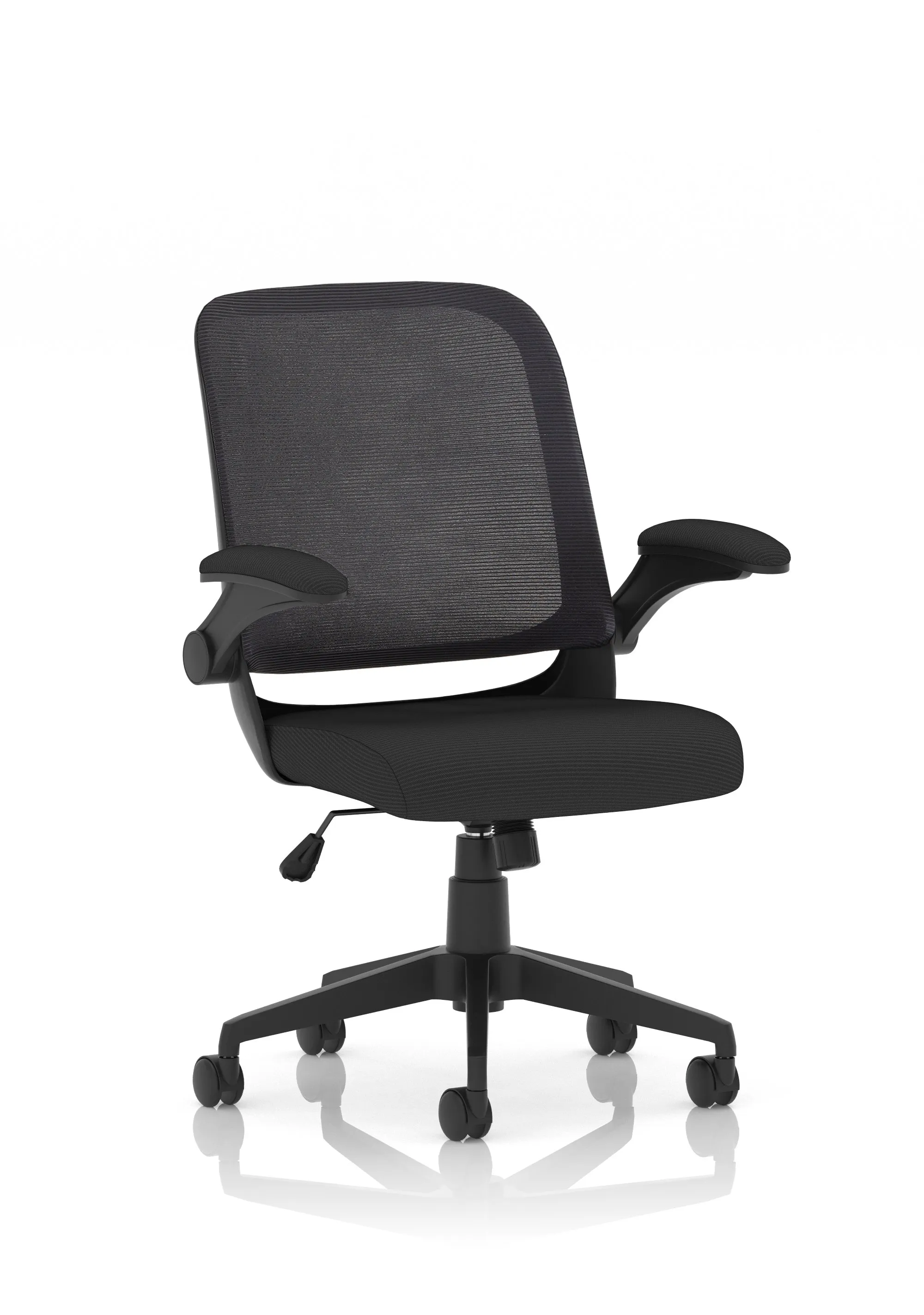
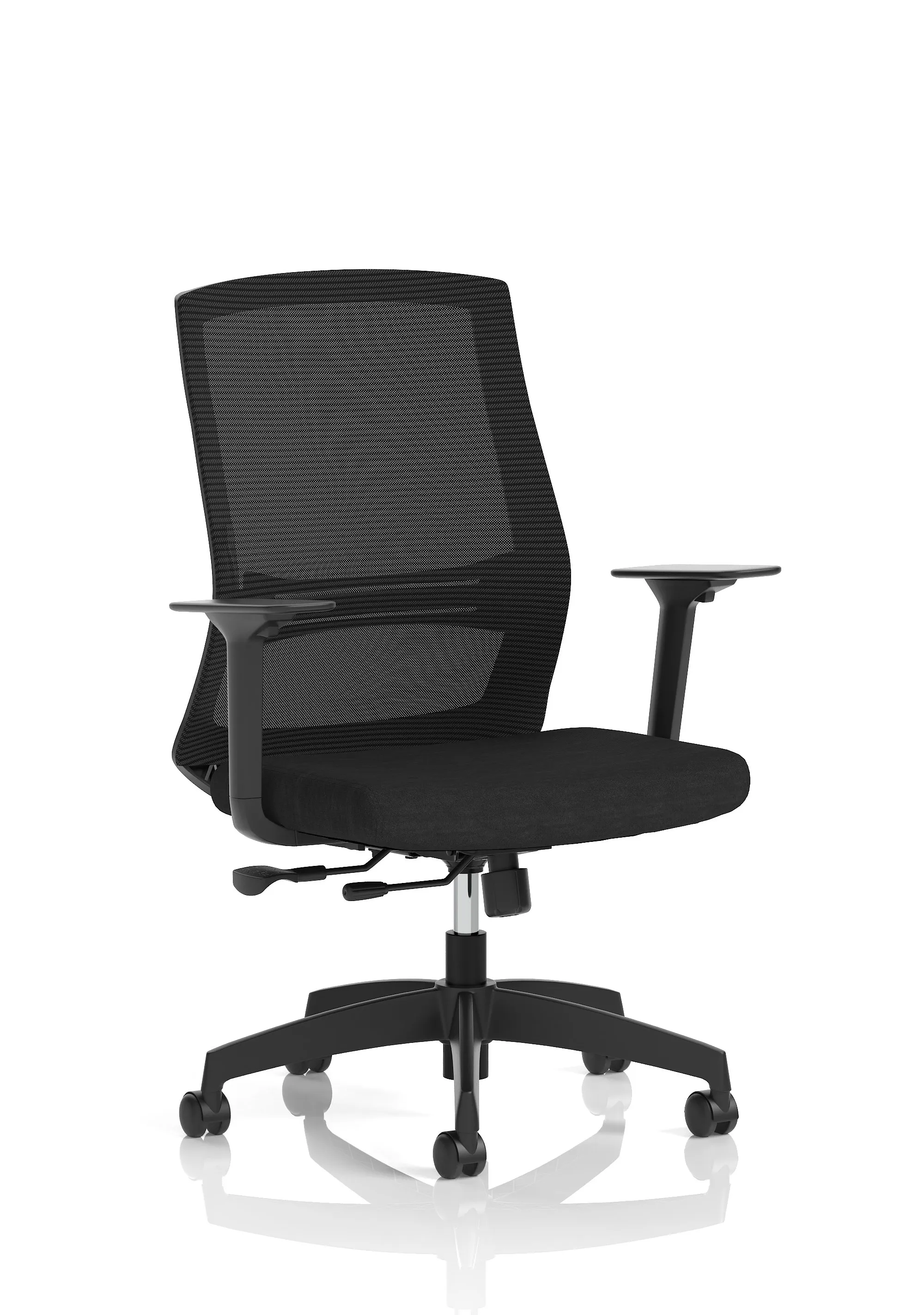
Furnitureforbusiness supplies commercial-grade office furniture to UK businesses with free delivery to the UK mainland. Every product in the range is specified for genuine commercial use, not repackaged consumer furniture. The office chairs range covers everything from heavy-duty task operators to executive seating, with full specifications available so you can verify Martindale ratings and frame construction before ordering. For high-traffic environments, the Austin heavy-duty task chair is built specifically for demanding office use with durable PU upholstery and a reinforced frame. Bulk order pricing is available, and the meeting room furniture range brings the same durability standards to client-facing spaces. Browse the full catalogue and specify with confidence.
For standard office seating, a minimum of 25,000 to 30,000 Martindale cycles is recommended. High-traffic or client-facing areas should be specified at 40,000 cycles or above to avoid premature wear.
Yes. High-quality upholstery lasting 8 to 15 years costs significantly less per year than budget alternatives replaced every three to five years, even before accounting for replacement disruption and maintenance.
Bonded leather is prone to peeling within 18 to 24 months under regular commercial use. It carries a high failure rate in high-use environments and creates both maintenance costs and negative impressions with clients or visitors.
Contract-grade durable fabrics are typically manufactured with flame-retardant properties that support compliance with UK fire safety regulations. Budget fabrics may not meet the same standards, which creates potential legal and insurance risk.
Ask for the Martindale rub score and test standard, frame material and joinery method, foam density, UK fire safety certification, warranty terms, and availability of replacement components. If a supplier cannot answer all of these, that is a clear signal to look elsewhere.
Phone: 0330 043 4114
VAT no. GB 991 8681 60
Company no. 07250570