TL;DR:
- Healthcare compliant seating meets strict safety, fire, accessibility, and infection control standards for medical environments. Regular assessment of suitability and maintenance ensures ongoing safety and regulatory compliance beyond initial procurement.
Healthcare compliant seating is defined as chairs and seating systems engineered to meet specific regulatory, safety, and clinical requirements for use in medical environments. The term covers everything from waiting room chairs to specialist therapeutic seating, and the standards governing each category are precise. In the UK, frameworks such as BS 7176 set fire safety and fabric durability thresholds. In the US, updated ADA requirements take effect in august 2026. Understanding what is healthcare compliant seating is not optional for facility managers. It directly affects patient safety, infection control, and your organisation’s legal standing.
Healthcare compliant seating must satisfy requirements across four distinct areas: accessibility, fire safety, structural capacity, and infection control design. Each area carries its own benchmarks, and failing any one of them puts patients and your facility at risk.
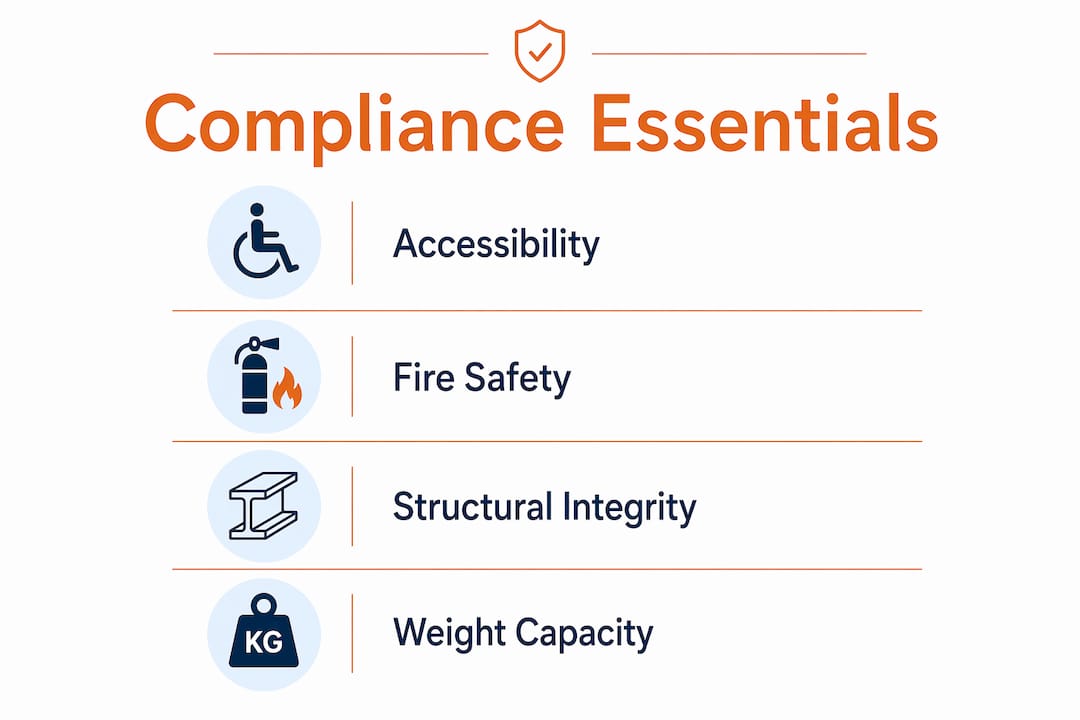
ADA accessibility standards require that by 9 august 2026, US healthcare facilities must ensure at least 10% of medical diagnostic equipment, including exam and procedure chairs, meets a maximum low transfer height of 17 inches. That deadline is not a recommendation. It is a compliance obligation with direct implications for procurement timelines. Chairs must also provide multiple height positions, ranging from the 17-inch low transfer position to at least 25 inches high, along with supports to assist patient transfers. The practical implication is that fixed-height seating purchased before this rule was updated may no longer be fit for purpose.
In the UK, BS 7176 fire safety standards classify healthcare seating by hazard level. Medium Hazard classification applies to typical patient and waiting seating. High or Very High Hazard classification applies to sleeping accommodation. Fabric selection must match the correct hazard rating, and there is no flexibility on this point. Durability is equally non-negotiable. Martindale rub counts must reach a minimum of 100,000 for high-traffic areas. That figure reflects the volume of use healthcare seating endures across a single year.
Standard healthcare seating must support a minimum of 300 lbs. Bariatric seating must support between 500 and 750 lbs, and ganged seating with arms is recommended to assist patient ingress and egress safely. These are not comfort preferences. They are structural safety requirements that protect patients from injury and facilities from liability.
| Requirement | Standard or specification |
|---|---|
| Low transfer height (US) | Maximum 17 inches by 9 august 2026 |
| Fabric fire rating (UK) | BS 7176 Medium Hazard minimum for waiting areas |
| Fabric durability | Martindale rub count minimum 100,000 |
| Standard weight capacity | Minimum 300 lbs |
| Bariatric weight capacity | 500–750 lbs |
Compliant seating options do more than pass a checklist. The best healthcare seating integrates clinical function directly into its physical design.
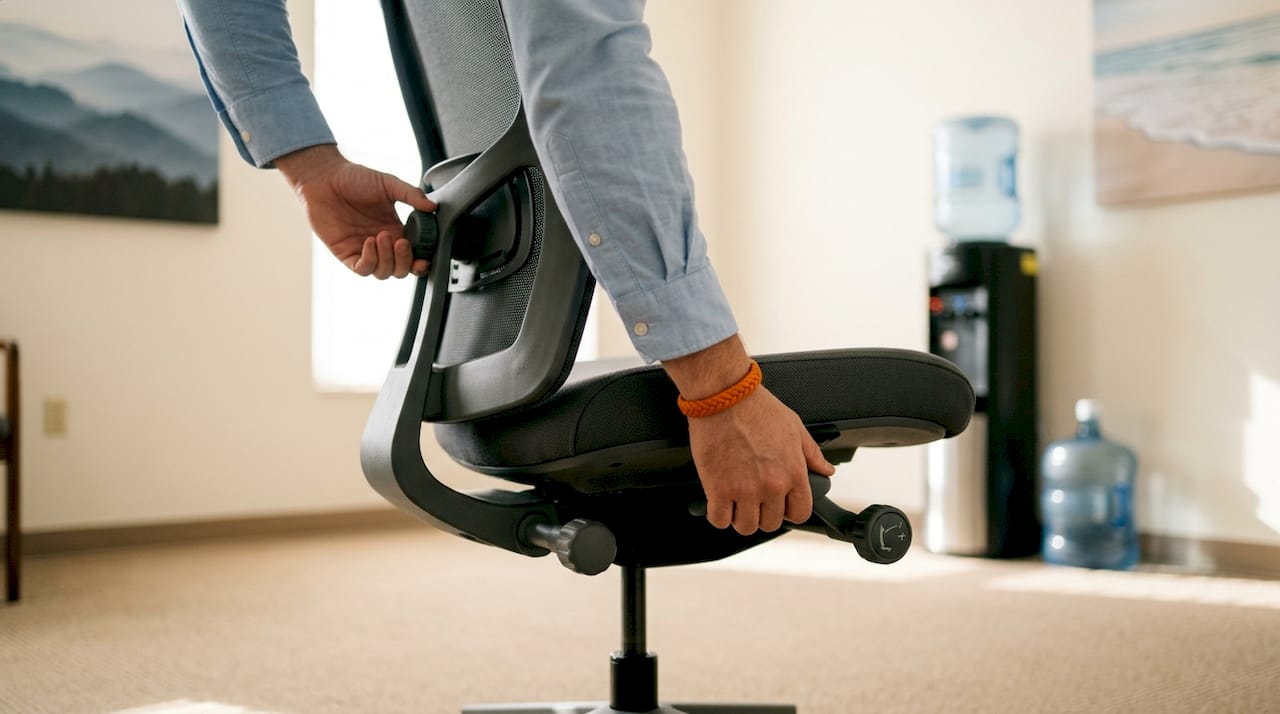
Tilt-in-space therapeutic seating redistributes pressure without dragging the patient, reducing the shear forces that damage skin and supporting posture, comfort, and participation in daily activity. Shear force caused by a patient sliding forward damages skin as much as direct pressure does. A tilt mechanism prevents that sliding by changing the orientation of the entire seating system rather than just the backrest. This is why specialist therapeutic seating is classified as a clinical intervention, not simply furniture.
Sewn seams create needle holes that permit fluid ingress and harbour pathogens. Welded seams and moisture barrier liners between upholstery and foam are the correct specification for healthcare environments. Sealed arm caps prevent contamination at high-contact points. These design choices are not cosmetic. A chair with conventional sewn upholstery can become a reservoir for bacteria regardless of how frequently it is wiped down.
Fabric must not degrade under disinfectant cleaning protocols. Pile fabrics and surface-treated textiles that break down under rigorous cleaning regimes are unsuitable for healthcare use. Medical-grade or solid-surface upholstery materials maintain their integrity under repeated chemical exposure. The durability of upholstery is therefore both a hygiene issue and a cost issue. Chairs that degrade quickly under cleaning chemicals require earlier replacement and increase whole-life costs.
Key design features to specify when procuring healthcare seating:
Pro Tip: Ask suppliers for test certificates confirming fabric compatibility with the specific disinfectants used in your facility. Generic “healthcare grade” claims are not sufficient. The cleaning chemical and the fabric must be tested together.
The benefits of healthcare seating go well beyond regulatory box-ticking. Compliant seating delivers measurable clinical and operational outcomes.
Specialist therapeutic seating is a clinical intervention. Tilt-in-space mechanisms prevent pressure injuries and support physiological function in ways that standard seating cannot replicate. Specifying it correctly is as much a clinical decision as a procurement one.
Selecting the right seating for a healthcare environment requires more than matching a product to a standard. Facility managers need to assess both compliance and suitability as separate questions.
Compliance asks whether a chair meets the baseline regulatory requirements for the environment. Suitability asks whether it is the right chair for the specific patients and tasks in that space. A chair can be fully compliant and still be wrong for a particular clinical setting. Compliance and suitability are distinct assessments, and suitability requires ongoing review as patient needs change.
A practical selection framework covers these areas:
Maintenance also determines whether seating remains compliant over its lifecycle. Upholstery that develops cracks or splits under cleaning chemicals must be replaced immediately. A chair with compromised upholstery integrity fails its infection control function regardless of its original specification.
Pro Tip: Schedule a formal seating audit every 12 months. Check upholstery integrity, seam condition, and structural stability across all patient-facing chairs. Document findings to demonstrate ongoing compliance to inspectors.
Healthcare compliant seating is defined by its ability to meet regulatory standards for accessibility, fire safety, structural capacity, and infection control simultaneously.
| Point | Details |
|---|---|
| Regulatory standards are non-negotiable | BS 7176 fire ratings and ADA transfer height requirements carry legal force, not just best-practice status. |
| Infection control is built into design | Welded seams and moisture barriers prevent pathogen ingress that cleaning alone cannot address. |
| Compliance and suitability differ | A chair can meet all standards and still be wrong for a specific patient group or clinical task. |
| Therapeutic seating is a clinical tool | Tilt-in-space mechanisms reduce pressure injuries and improve patient participation in measurable ways. |
| Maintenance sustains compliance | Upholstery integrity must be audited regularly, as degraded fabric voids infection control performance. |
Furnitureforbusiness has worked with procurement teams across commercial and professional environments for years, and the same pattern appears repeatedly in healthcare contexts. Compliance is treated as a one-time purchase decision rather than an ongoing operational responsibility.
The chair that passed every standard on the day it was delivered may be a liability two years later if its upholstery has cracked under cleaning chemicals or its seams have begun to separate. The standard does not expire, but the chair’s ability to meet it does. That distinction matters enormously when a CQC inspection or an infection control audit takes place.
The other gap is the separation between clinical teams and facilities teams during procurement. Therapeutic seating decisions, in particular, require clinical input. A tilt-in-space chair specified without occupational therapy involvement may be technically compliant and clinically inappropriate. The best outcomes come from procurement processes that bring both teams to the table before a specification is finalised.
The shift worth making is from “did we buy compliant chairs?” to “do our chairs remain suitable for our patients today?” That question demands a different kind of attention, and it produces significantly better results for patients and for the facility.
— Furniture
Furnitureforbusiness supplies commercial seating built for demanding environments, including settings where durability, cleanability, and structural integrity are non-negotiable. Whether you are specifying chairs for a waiting area, a consultation room, or an administrative space within a healthcare facility, the range covers options that meet the durability and safety thresholds outlined in this guide.
The office chairs range includes heavy-duty and ergonomic options suited to high-traffic clinical and administrative environments, with free delivery to the UK mainland. For facilities planning a broader fit-out or refurbishment, the full product range covers seating, storage, and workspace solutions across every area of a professional building. Contact the team directly to discuss bulk order pricing or specification requirements for your facility.
Healthcare compliant seating is seating engineered to meet regulatory standards for fire safety, accessibility, structural capacity, and infection control in clinical environments. In the UK, this includes compliance with BS 7176 fire ratings and fabric durability thresholds.
UK healthcare seating fabrics must meet BS 7176 fire safety classifications, with Medium Hazard as the minimum for patient and waiting areas. Fabric durability must reach a Martindale rub count of at least 100,000 for high-traffic clinical settings.
Standard healthcare seating must support a minimum of 300 lbs. Bariatric seating must support between 500 and 750 lbs to meet safety and dignity requirements for all patients.
Tilt-in-space seating changes the orientation of the entire seat to redistribute pressure without creating shear force on the patient’s skin. Clinical evidence shows adaptive seating features reduce pressure areas by 40% and increase patient participation by 45%.
Compliant seating meets baseline regulatory standards for the environment. Suitable seating is the right choice for the specific patients and tasks in that space. Suitability requires ongoing assessment as patient needs change, whereas compliance is assessed against fixed standards.

Phone: 0330 043 4114
VAT no. GB 991 8681 60
Company no. 07250570