For most commercial refits, professional FF&E storage is the right call for chairs, desks and cabinets you plan to reinstall, while short-term hire or a bulk buy covers the basics you need for day-to-day running. Storage protects asset value and lets you release items in phases as each floor becomes ready. Whichever route you choose, insurance and a single point of contact aren’t optional extras. They’re what stops a refit turning into a dispute.
TL;DR:
- Storage costs are based on volume and duration, with phased releases reducing handling and minimizing damage risks.
- Barcoded tracking, condition logs, and a dedicated project manager ensure accurate, phased furniture release aligned with construction progress.
- For refits over three months, buying interim furniture may be more cost-effective than ongoing hire, especially for items that will remain useful afterward.
- Proper preparation, including cleaning, dismantling, and photographing furniture, reduces disputes and streamlines reinstallation.
- Confirm site logistics like lift size and access hours before scheduling delivery to prevent delays and additional costs.
Professional furniture storage for a refit, often called FF&E storage (furniture, fixtures and equipment), is a different service from renting a self-storage unit down the road. It’s built around a “pack once” model: items are logged, wrapped and loaded a single time, then left untouched in a container or dedicated bay until they’re needed again. That containerised approach cuts damage risk compared with a unit where boxes get shifted every time someone needs something from the back.
The practical differences from generic self-storage:
Furnitureforbusiness’s own office storage range gives a sense of the cabinets and pedestals worth protecting this way, rather than binning and rebuying.
The right answer depends on how long the refit runs and how much of your existing furniture is worth keeping.
The budget trade-off is straightforward: storage costs scale with volume and duration, while hire costs scale with the number of desks or chairs and how long you keep them. A hybrid, storing the good stuff and hiring or buying the basics, usually gives the best balance for a mid-length project.
A competent storage partner runs the same basic workflow whether you’re moving forty desks or four hundred. Getting this right at the start saves arguments later.
A dedicated project manager sitting between your team and the storage provider is what keeps this moving. Without one, phased release requests get lost in email chains and floors sit half-furnished.
Pro Tip: Ask your provider for a sample manifest and condition-log template before signing anything. If they can’t produce one on request, they’re not set up for a multi-phase project.
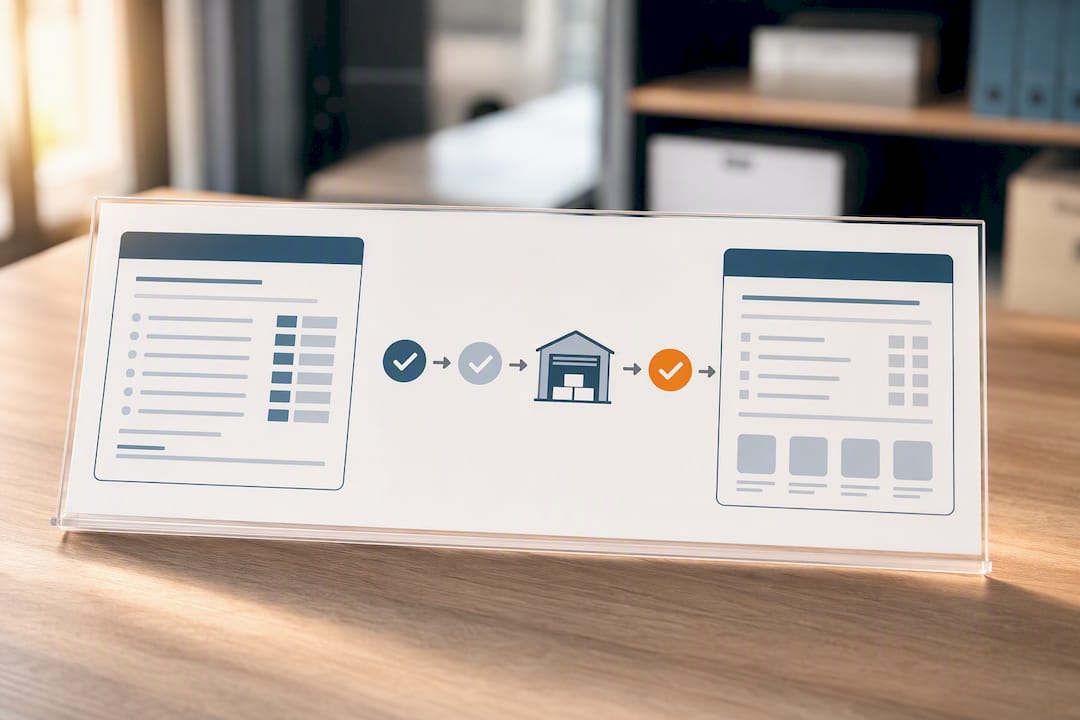
Preparation is where most storage disputes start, usually because nobody cleaned or serviced items before they went into storage, and a fault gets blamed on the storage provider months later.
Pro Tip: Photograph each item from four angles before it’s wrapped. It takes two minutes per piece and gives you your own evidence if a condition dispute comes up at release.
A perfectly packed consignment still fails if the lift is too small or the loading bay is double-booked. Confirm these before you schedule anything:
Providers who deliver at scale typically stage drops in micro-slots rather than one large delivery, using night or weekend windows to avoid disrupting staff still working elsewhere in the building. Sequencing deliveries by floor and marshalling drops at the loading bay stops three suppliers turning up at the same door at once, which happens more often than most procurement teams expect. Furnitureforbusiness’s access audit checklist covers most of these points in one pass if you’d rather not chase them individually.
Storage pricing is mostly a function of volume, measured in cubic metres (CBM), plus how long you need the space and how many separate handling events you require. Climate control adds cost but matters for upholstery, leather and veneer finishes over a long storage period. Re-deliveries in small batches cost more per item than one bulk release, so plan your phasing carefully rather than requesting endless small drops.
Briefing suppliers properly at tender stage avoids most of the problems that surface mid-project.
Suppliers who can’t answer the barcode and portal questions confidently are usually running standard self-storage with a project label attached.
For refits running past three or four months, hiring furniture on a rolling basis often costs more than simply buying replacement stock outright, particularly for desks and storage units that will still be useful once the refit ends. Commercial suppliers offer ergonomic seating, height-adjustable desks and storage as standard ranges, often with bulk pricing and delivery options. That makes a straight purchase worth comparing against a hire quote, especially if your existing stock is due for a refresh anyway rather than a like-for-like replacement. Procurement teams can request lead times and pricing directly to run the comparison properly rather than assuming hire is automatically cheaper.
— Furniture
Buying furniture outright can be an alternative to hiring for procurement teams who prefer ownership over ongoing rental fees. Bulk pricing and delivery options may make buying interim furniture cost-effective compared to multi-month hire agreements, especially when refreshing stock rather than replacing it identically.
Browse office chairs and office desks for immediate procurement, or check office storage options if cabinets and pedestals are your priority. Request a quote and delivery lead time against your refit schedule, then weigh it directly against whatever storage or hire quote you’ve already got on the table.
FF&E storage is professional storage for furniture, fixtures and equipment during a refit, using barcode tracking, photo condition logs and phased release rather than a standard self-storage unit.
There’s no fixed limit. Most commercial refits store furniture from a few weeks up to a year, with cost scaling by volume and duration rather than a set cutoff.
It depends on refit length and furniture value. Short refits usually favour storage plus minor hire; longer refits often make buying replacement stock, such as from Furnitureforbusiness, more cost-effective than ongoing hire fees.
Providers should carry commercial all-risk cover with declared values backed by an intake photo log, so any damage claim has documented evidence behind it.
A dedicated project manager, working between the storage provider and your on-site contractor, coordinates release batches against construction milestones and handles rescheduling if site conditions change.

Phone: 0330 043 4114
VAT no. GB 991 8681 60
Company no. 07250570