Poorly chosen office chairs silently drain your workforce through discomfort and elevated sick days. Many chairs marketed as ergonomic fail to meet recognised standards, leaving employees at risk. This guide walks you through a methodical selection process grounded in certifications, material science, and user profiling to secure chairs that genuinely protect employee health and reduce absenteeism by measurable margins.
| Point | Details |
|---|---|
| Ergonomic adjustability reduces discomfort | Chairs with multi-point adjustments lower musculoskeletal complaints and absenteeism. |
| Material quality predicts lifespan | Aluminium frames and high-density foam extend chair durability to 7-10 years. |
| Certifications ensure safety compliance | BIFMA and BS EN 1335 verify true ergonomic performance and reduce liability risks. |
| A stepwise procurement process improves results | Profiling users, verifying certifications, and conducting trials lead to better satisfaction. |
| Maintenance prolongs chair performance | Regular cleaning and adjustment checks prevent premature degradation. |
Before you request quotes or browse catalogues, establish a foundation of knowledge and data. Understanding ergonomic basics for office chairs ensures you evaluate features rather than marketing claims. Start by profiling your workforce: collect employee heights, weights, and typical workday durations. This data helps you match adjustability ranges to real user needs.
Measure workspace dimensions carefully. Note desk heights, clearance under work surfaces, and floor-to-seat requirements. You need these figures to verify that chair dimensions fit physical constraints. Budget setting comes next. Align spending with corporate procurement policies and balance upfront cost against expected lifespan. A chair priced at £300 lasting ten years delivers better value than a £150 model requiring replacement every three years.
Gather input from facilities teams and health and safety officers. Their insights into existing complaints and workspace constraints refine your selection criteria. Equip yourself with tape measures, user surveys, and a clear understanding of adjustability terminology. Preparation prevents costly mismatches and ensures your chosen chairs integrate smoothly into your environment. Review office chair options to see how product ranges align with diverse user profiles.
Ergonomics is not a vague promise but a set of measurable attributes. Adjustable lumbar support and multi-point adjustments reduce employee discomfort and absenteeism, so prioritise chairs offering height, depth, and angle controls. Lumbar support should move vertically and horizontally to match individual spinal curves. Seat height must accommodate users from the 5th percentile female to the 95th percentile male, typically ranging from 38 cm to 56 cm.
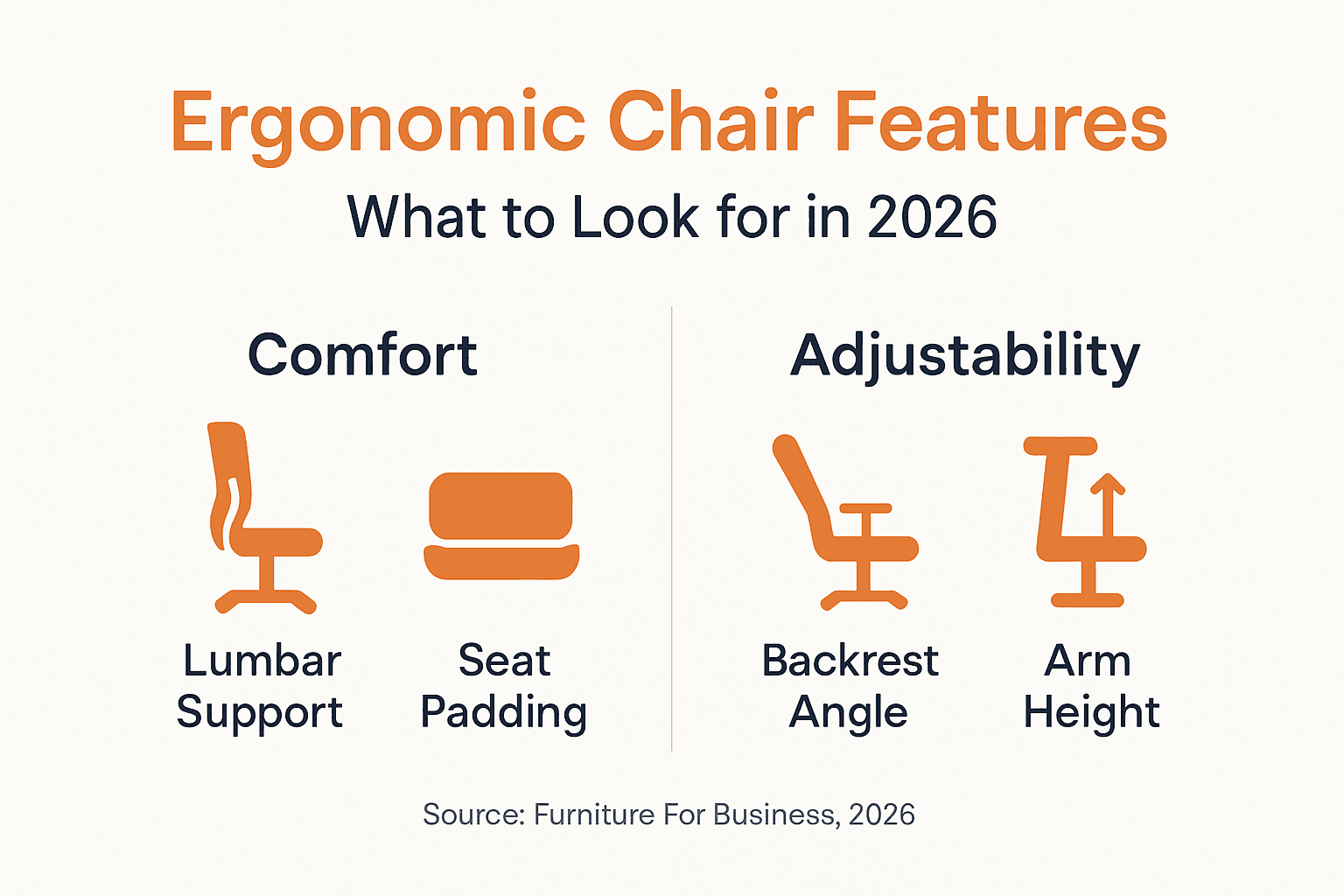
Backrest angle adjustment lets employees recline slightly during cognitive tasks, reducing spinal load. Armrests need height, width, and pivot adjustments to support varied postures without forcing shoulder elevation. Seat depth adjustment prevents pressure on the backs of knees, crucial for taller employees. These features are non-negotiable for true ergonomic chair benefits.
Seat cushion design impacts pressure distribution. High-density foam maintains shape over years, while low-quality foam compresses quickly, reducing comfort. Mesh upholstery offers breathability, ideal for warm offices, but may lack the plush feel some users prefer. Waterfall seat edges reduce thigh pressure and improve circulation.
Pro Tip: Test chairs with employees representing your workforce’s height and weight extremes to confirm adjustability ranges suit everyone.
Explore adjustable ergonomic chairs to see how multi-point adjustability translates into product specifications.
Material choices directly affect chair lifespan and maintenance frequency. Aluminium frames offer superior strength-to-weight ratios and resist corrosion, while reinforced nylon frames provide durability at lower cost but may flex under heavier users. Steel mechanisms in tilt and height adjustments outlast plastic alternatives, maintaining smooth operation over thousands of cycles.
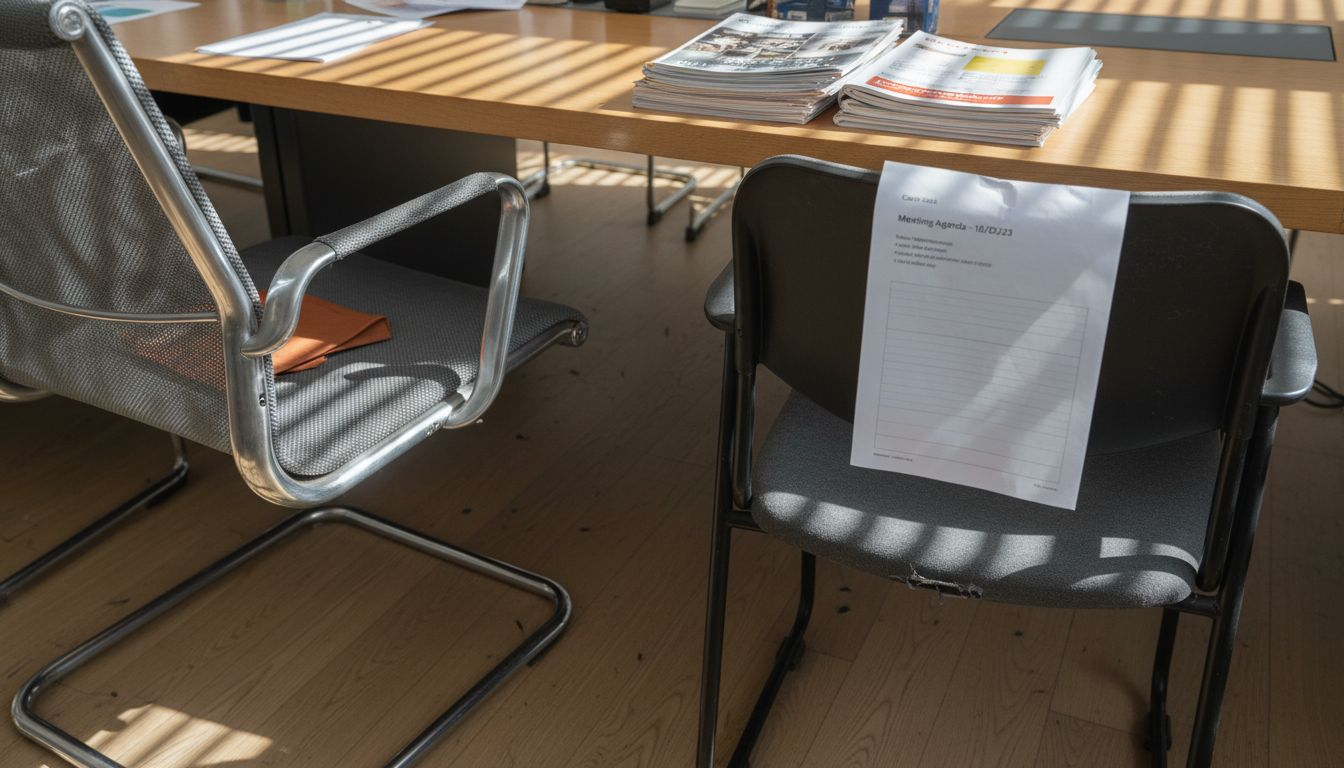
Foam density determines cushion longevity. High-resilience foam rated above 35 kg/m³ retains shape for years, whereas standard foam below 25 kg/m³ compresses within months. Mesh upholstery requires minimal cleaning and resists moisture, but fabric options offer warmth and a softer feel. Leather or vinyl surfaces suit executive settings but demand regular conditioning to prevent cracking.
| Frame Material | Weight Capacity | Corrosion Resistance | Cost |
|---|---|---|---|
| Aluminium | Up to 150 kg | Excellent | High |
| Reinforced Nylon | Up to 130 kg | Good | Medium |
| Steel | Up to 180 kg | Moderate (requires coating) | High |
Five-star bases distribute weight more evenly than four-star designs, enhancing stability and reducing tip risk. Castors should match your flooring: hard castors for carpet, soft for hard floors. Regular maintenance extends chair life significantly. Clean upholstery monthly, lubricate mechanisms annually, and tighten bolts every six months.
Pro Tip: Request material specification sheets from suppliers to verify foam density and frame composition before committing to bulk orders.
Review office chair material quality and explore office chair options to compare construction details. For broader insights, see durability in office chairs.
Certifications transform ergonomic claims into verified performance. Chairs certified to BIFMA and BS EN 1335 ensure ergonomic compliance and reduce liability risks. BIFMA standards cover structural integrity, stability, and durability through rigorous testing protocols. BS EN 1335 focuses on ergonomic requirements specific to office seating, validating adjustability ranges and user safety.
Certified chairs undergo load testing, tilt mechanism endurance trials, and stability assessments. These tests confirm that advertised features perform reliably under real-world conditions. Non-certified chairs may look similar but lack independent validation, exposing you to safety risks and potential legal challenges if employee injuries occur.
Requiring certifications in procurement specifications filters out substandard products. Verify certificates directly with testing bodies rather than relying solely on supplier claims. Certification marks should appear on product documentation and labels. This due diligence protects your organisation and employees.
Learn more about office chair certifications to understand testing protocols and compliance implications.
A structured process eliminates guesswork and aligns chair selection with organisational needs. Follow these steps to ensure informed procurement decisions that balance ergonomics, durability, and budget.
User trials are critical. Employees notice comfort issues that specifications cannot capture. Collect feedback through standardised forms asking about lumbar support effectiveness, ease of adjustment, and overall satisfaction. Compare results to identify the chair that best suits your workforce. Factor in delivery logistics, especially for large orders, and confirm that warranties cover mechanisms and upholstery separately.
Procurement errors undermine even well-intentioned investments. Ignoring workforce diversity leads to chairs that fit some employees poorly, reducing satisfaction and increasing discomfort complaints. Assuming all ergonomic labels mean the same thing results in non-certified purchases that fail to deliver promised benefits.
Overlooking chair lifespan when budgeting creates false economies. A cheaper chair requiring replacement in three years costs more over time than a durable option lasting ten. Neglecting maintenance accelerates wear, shortening lifespan and diminishing comfort. Establish cleaning schedules and adjustment checks to preserve chair performance.
Pro Tip: Provide brief training sessions demonstrating chair adjustments to ensure employees maximise ergonomic benefits immediately.
Maintenance best practices include vacuuming upholstery monthly, wiping down armrests and bases weekly, and inspecting castors for debris. Lubricate tilt mechanisms annually and check all bolts for tightness every six months. Replace worn castors promptly to maintain mobility and protect flooring.
Investing in certified ergonomic chairs yields measurable returns. Properly maintained ergonomic office chairs typically last 7-10 years and reduce musculoskeletal complaints by up to 18%. Employees report improved comfort within weeks, with fewer headaches, neck pain, and lower back issues. Absenteeism linked to discomfort drops as ergonomic adjustability addresses individual needs.
| Benchmark | Expected Outcome |
|---|---|
| Chair lifespan | 7-10 years with proper maintenance |
| Reduction in musculoskeletal complaints | Up to 18% |
| Comfort score improvement | 25-30% increase in user satisfaction surveys |
| Return on investment timeline | 3-5 years through reduced replacements and absenteeism |
Comfort scores improve measurably when employees can adjust lumbar support and seat depth to personal preferences. Surveys typically show 25-30% increases in satisfaction ratings after ergonomic chair deployment. Long-term ROI comes from fewer replacement cycles and reduced absenteeism costs, which can reach thousands of pounds per employee annually.
“Ergonomic interventions in office seating deliver quantifiable health improvements and financial savings, making them essential investments for forward-thinking procurement teams.”
Monitor outcomes by tracking absenteeism rates, employee comfort surveys, and chair maintenance logs. Use this data to refine future procurement and demonstrate value to stakeholders. For more on office chair lifespan and ROI, review industry case studies documenting cost-benefit analyses.
You now understand the criteria that separate genuine ergonomic chairs from marketing hype. Furniture For Business offers a curated selection of quality office chairs certified to BIFMA and BS EN 1335 standards, ensuring compliance and performance. Each chair meets rigorous testing protocols, providing the adjustability and durability your workforce deserves.

Explore complementary office furniture solutions including height-adjustable desks and storage systems that integrate seamlessly with ergonomic seating. Browse office accessories to complete your workspace setup. Free UK mainland shipping and straightforward returns support confident procurement decisions, whether you’re outfitting a single office or managing a large-scale project.
Use tape measures to record desk heights, clearances under work surfaces, and available floor space around each workstation. Collect employee height and weight data through surveys to match chair adjustability ranges to actual user needs. These measurements ensure chairs fit both physical spaces and individual ergonomic requirements.
Require BIFMA and BS EN 1335 certifications as minimum standards. BIFMA validates structural integrity and durability, while BS EN 1335 confirms ergonomic adjustability meets European safety requirements. Certified chairs reduce legal risks and ensure advertised features perform reliably.
Replace chairs every 7-10 years depending on usage intensity and maintenance quality. Watch for reduced adjustability, visible wear on upholstery, and increased repair needs as signals that replacement is due. Regular maintenance extends lifespan toward the upper end of this range.
Ignoring diverse user needs leads to poor fit for some employees, reducing satisfaction. Purchasing non-certified chairs exposes you to safety risks and potential legal issues. Overlooking maintenance plans accelerates chair degradation and shortens lifespan. Always verify certifications and plan for ongoing upkeep.

Phone: 0330 043 4114
VAT no. GB 991 8681 60
Company no. 07250570